

In rigid box manufacturing, the quality of the finished product depends on more than precise positioning and efficient forming. Greyboard thickness also plays an important role in determining box strength, structural stability, folding performance, and overall appearance. A dual-channel side wing making machine helps manufacturers form side wings and cases for collapsible boxes, making material selection an important part of the production process. Therefore, understanding how greyboard thickness affects forming quality can help manufacturers select suitable materials, optimize machine settings, and achieve more consistent results.
Why Greyboard Thickness Matters in Box Manufacturing
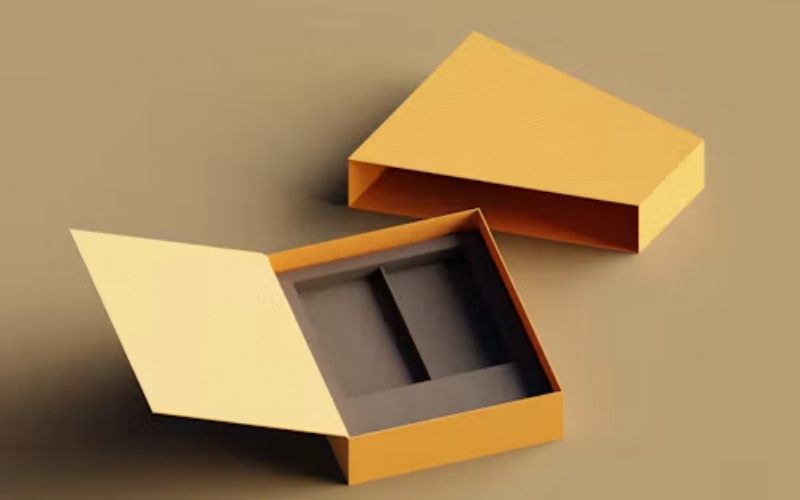
Greyboard provides the structural foundation for many rigid and collapsible boxes. Its thickness influences the stiffness of the finished structure, its resistance to deformation, and how well the box maintains its intended shape during handling and storage. Thicker board may offer greater rigidity, while thinner board can provide more flexibility for certain folding structures. However, the ideal thickness depends on the box design, intended use, dimensions, and forming requirements rather than thickness alone.
In addition, greyboard thickness affects how materials behave during forming and assembly. If the board is too thick for a particular structure, folding areas and connected sections may become difficult to form cleanly. Conversely, board that is too thin may lack the stiffness needed to maintain the desired shape. As a result, manufacturers should consider thickness alongside board density, moisture content, cutting accuracy, and the overall box construction.
How a Dual-Channel Machine Supports Side Wing Forming
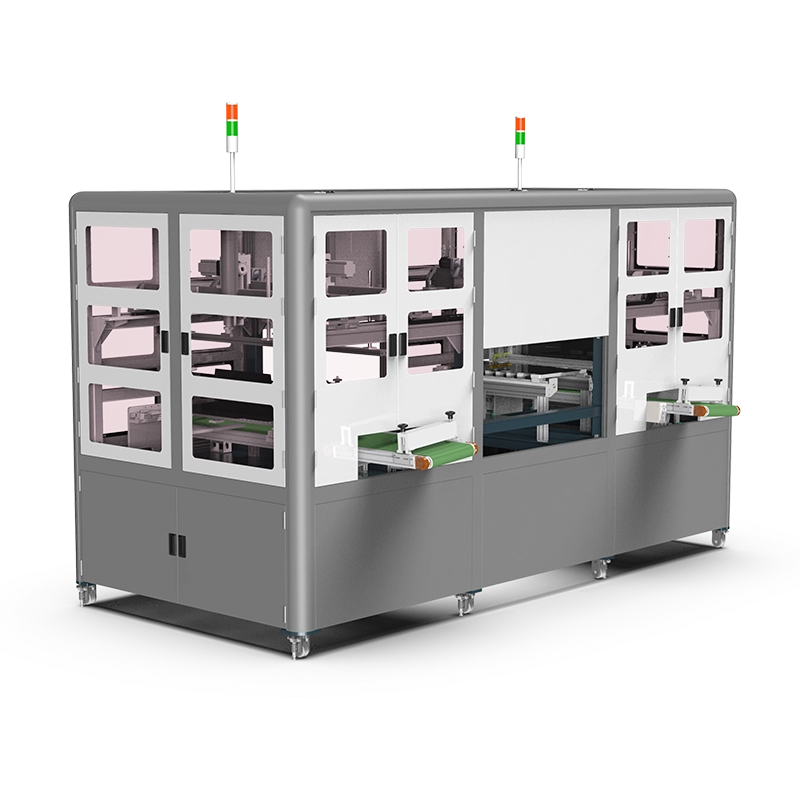
A dual-channel side wing making machine is developed to form side wings and cases used in collapsible box production. The HM-CY850D from Hongming was developed using experience in rigid box gluing and positioning equipment and hard cover machines. Its primary application is forming the side wings and cases of collapsible boxes, where consistent material preparation and suitable forming conditions are important. By selecting appropriate greyboard and matching the production setup to the box design, manufacturers can work toward stable forming quality.
Moreover, a dual-channel configuration is designed around two production channels, which can support workflow efficiency when the machine is configured appropriately for the intended operation. Nevertheless, actual output and production benefits depend on the machine setup, material characteristics, operator practices, and the specifications of the finished box. Greyboard thickness should therefore be confirmed before production rather than adjusted only after forming defects appear. This approach helps manufacturers address material compatibility at an earlier stage.
The Relationship Between Board Thickness and Finished Box Quality
Greyboard thickness affects several aspects of the finished box, from structural strength to the precision of connected sections. When the material matches the design, the formed side wings and case can better maintain their intended shape. However, inconsistent board thickness across a batch may cause variations in forming behavior, making repeatable production more difficult. For this reason, material inspection is an important step before processing.
Manufacturers should evaluate the following factors when selecting greyboard for collapsible boxes:
- Structural rigidity: Thicker board may improve stiffness when the box design requires stronger support.
- Folding performance: The board must work with the folding structure and connection geometry to avoid excessive resistance or poor alignment.
- Dimensional consistency: Uniform thickness helps maintain more predictable forming conditions across production batches.
- Surface and edge quality: Board condition and cutting quality can influence the appearance of finished edges and connected sections.
- Application requirements: Packaging intended for heavier contents or repeated handling may require different structural properties from lightweight presentation boxes.
These factors should be considered together because increasing thickness does not automatically improve every aspect of box quality. The most suitable material is the one that satisfies the structural and forming requirements of the specific design.
Comparing Greyboard Thickness Options
Different box applications require different combinations of rigidity, flexibility, and forming performance. The table below provides general guidance for material evaluation; actual thickness values should be determined through product design and machine trials.
| Material consideration | Potential benefit | Possible concern | Recommended evaluation |
|---|---|---|---|
| Thinner greyboard | Greater flexibility for some folding structures | May provide insufficient stiffness for certain designs | Check shape retention and structural support |
| Medium-thickness greyboard | Can balance rigidity and forming requirements | Performance varies with density and construction | Test forming accuracy and finished-box stability |
| Thicker greyboard | Greater stiffness in suitable applications | May increase folding resistance or complicate connected sections | Confirm compatibility with the design and forming process |
| Consistent greyboard thickness | More predictable processing conditions | Requires reliable material quality control | Measure incoming materials across representative samples |
This comparison is intended as a selection guide rather than a universal specification. Manufacturers should validate material choices using the actual box structure, board properties, and production conditions before starting a full run.
Matching Greyboard with Box-Making Equipment
Choosing the right equipment is another important part of maintaining consistent quality. A collapsible box machine must accommodate the structure and forming requirements of the intended product, while a case making machine may serve different stages or configurations of box and case production. Similarly, a hard cover rigid box machine is designed for relevant rigid box or hard cover manufacturing tasks, so buyers should verify the machine’s specific application before comparing equipment. Matching the equipment to the product design helps reduce process incompatibility and unnecessary adjustments.
For manufacturers handling frequent orders with different box structures, it is especially important to confirm board specifications and machine compatibility in advance. Production teams should review the board thickness, box dimensions, side wing structure, folding requirements, and expected output. In addition, sample runs can help identify whether adjustments to material selection or forming settings are necessary. This preparation supports more consistent production and helps reduce avoidable material waste.
Practical Steps to Improve Side Wing and Case Quality
Improving box quality requires coordinated control of material selection, equipment setup, and inspection procedures. Instead of relying on a single specification, manufacturers should establish a repeatable process for checking materials and validating finished products. The following steps can help structure that process:
- Define the box requirements: Confirm the dimensions, structure, intended load, and appearance requirements before choosing greyboard.
- Inspect incoming board: Check thickness consistency, surface condition, and edge quality before production.
- Verify machine compatibility: Ensure the selected equipment is suitable for the intended side wing and case forming operations.
- Conduct sample production: Test the selected board and machine settings before moving into regular production.
- Inspect finished boxes: Review shape retention, alignment, folding areas, and the consistency of connected sections.
- Document approved settings: Record material specifications and production parameters to support repeat orders.
Following these steps helps manufacturers identify potential issues earlier. As a result, production teams can make more informed decisions about material use and process adjustments.
Choosing High-Speed Rigid Box Equipment for Production Needs
High-speed rigid box equipment can help manufacturers pursue greater production efficiency, but speed alone does not determine overall performance. Material compatibility, forming consistency, operator workflow, and finished-box quality also influence production outcomes. When evaluating equipment, manufacturers should consider whether the machine matches their product range and whether the chosen greyboard can be processed reliably. This balanced assessment is especially useful for businesses producing collapsible boxes in multiple sizes or styles.
Hongming offers the HM-CY850D dual-channel side wing and case making machine and the HM-CY850S single-channel model for side wing and case forming in collapsible box production. Buyers can compare the two configurations based on their production workflow, box specifications, and required output. By confirming greyboard thickness and material properties alongside machine suitability, manufacturers can establish a more reliable foundation for consistent box quality.
Conclusion
Greyboard thickness is a key consideration in collapsible box manufacturing because it influences rigidity, folding behavior, dimensional consistency, and finished appearance. However, the best thickness depends on the box design, material properties, and forming process rather than a single universal rule. A dual-channel side wing making machine can support side wing and case production, but reliable results also require suitable materials, compatible equipment settings, and systematic inspection. By evaluating these factors together, manufacturers can improve production consistency and select a process that meets their box quality requirements.