

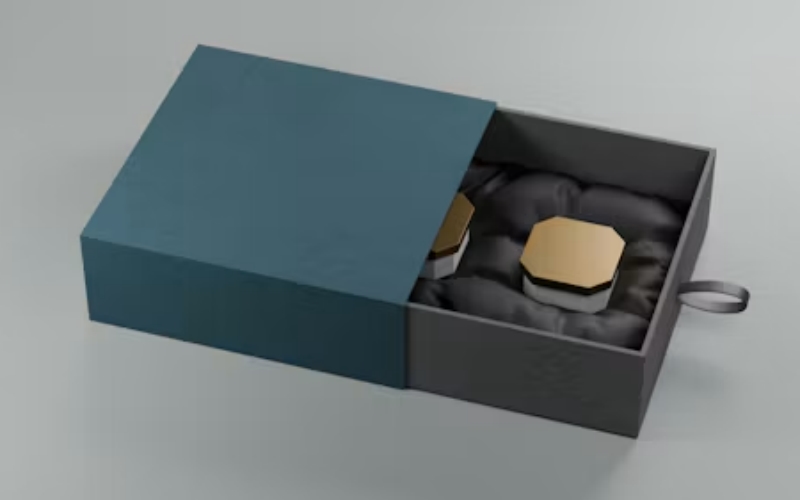
Collapsible boxes are widely used in gift packaging, luxury packaging, and other applications that require both an attractive appearance and convenient storage. However, assembling multiple boards and side wings involves several steps, including material feeding, glue application, positioning, and folding. Manual operations can make it difficult to maintain consistent alignment and production efficiency, especially when handling more complex box structures. A multi-board collapsible box assembly machine integrates these processes to support more coordinated production and reduce repetitive manual work.
1. Why Does Multi-Board Assembly Require Specialized Equipment?
Unlike simple rigid boxes, collapsible boxes often contain multiple boards and side wings that must be assembled in specific positions. Each component needs accurate alignment before adhesive application and folding, because positioning errors can affect the final box shape and structural consistency. Therefore, specialized collapsible box assembly equipment helps coordinate material feeding, gluing, and forming within one production process. This approach is particularly useful for manufacturers handling different box structures and production requirements.
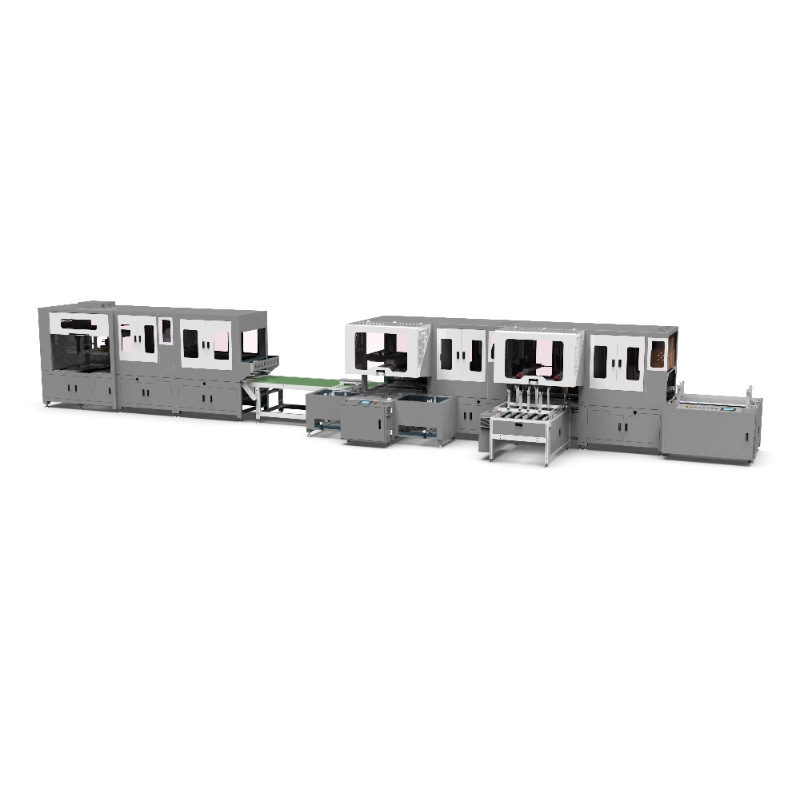
The HM-1000E, HM-1200E, and HM-1400E series are developed for collapsible box wing assembly and side board assembly. Their multi-purpose machine structure can also support closure box assembly by replacing the wing feeding module with a conveyor belt. Consequently, manufacturers can adapt the equipment to different box production needs without changing the entire main machine structure.
2. How Does Automatic Feeding Improve Production Efficiency?
Material feeding is an important part of multi-board box assembly because multiple hard-cover boards must enter the production process in the correct sequence. The machine adopts a downward suction feeding structure to help prevent double or multiple hard-cover feeding. Moreover, this design helps reduce the risk of scratching the boards during feeding, supporting more consistent material handling.
The equipment also uses a four-working-station lifting platform structure. One operator can complete the feeding of the case and side wings, while the platform supports continuous operation without stopping the machine for every feeding cycle. As a result, automatic box assembly equipment can reduce repetitive manual handling and improve production continuity. This arrangement also helps manufacturers organize labor more efficiently during regular production.
3. How Does Servo-Controlled Gluing Improve Assembly Accuracy?
Adhesive application directly affects the connection between box boards and the stability of the finished structure. The machine uses a servo motor to control glue spraying, allowing the glue application process to operate with greater positioning accuracy. In addition, operators can set flexible glue-spraying lines on the screen according to different product requirements. This makes the equipment adaptable to different box structures and adhesive application patterns.
An optional hot and cold double glue system is also available. This configuration is designed to improve product adhesion and resistance to opening, depending on the selected adhesive and production requirements. By integrating controlled gluing into the assembly process, the machine helps reduce reliance on manual adhesive application. Therefore, the multi-board collapsible box assembly machine can support more coordinated processing when producing boxes with multiple connecting surfaces.
4. Why Is Precise Positioning Important for Folding Box Production?
Accurate positioning helps ensure that individual boards and side wings are assembled in the intended locations before folding. The equipment uses Japanese Panasonic servo motors for positioning control, supporting more precise component placement during production. Furthermore, consistent positioning helps the subsequent gluing and folding stages produce a more standardized box structure. This is especially important when multiple boards need to meet at specific angles and connection points.
The machine also uses a universal mold for size adjustment, eliminating the need to make an upper mold for each size adjustment. After automatic glue application, the box structure is formed through a four-triangle configuration, and the mold support helps standardize the folding process. These functions allow collapsible box making equipment to accommodate different product dimensions while simplifying certain mold preparation requirements.
5. Key Features of the HM-1000E/1200E/1400E Series
The following table summarizes the main functions and configurations provided in the product information. These features explain how the equipment coordinates feeding, adhesive application, positioning, and forming during collapsible box production.
| Feature | Function and Production Benefit |
|---|---|
| Downward Suction Feeding | Helps prevent double or multiple hard-cover feeding and reduces scratching risks |
| Servo-Controlled Gluing | Supports more accurate glue spraying |
| Flexible Glue-Line Settings | Allows operators to set glue-spraying lines through the screen |
| Optional Hot and Cold Double Glue | Supports improved adhesion and resistance to opening |
| Four-Station Lifting Platform | Supports case and side-wing feeding by one operator |
| Panasonic Servo Positioning | Provides more precise positioning control |
| Universal Mold | Allows size adjustment without making an upper mold |
| Four-Triangle Forming | Supports automatic folding box formation after glue application |
| Replaceable Feeding Module | Allows closure box assembly with a conveyor belt configuration |
6. How Can Automated Equipment Support Different Box Production Needs?
A flexible machine structure is valuable for packaging manufacturers that handle different box styles. The HM series is designed primarily for collapsible box wing assembly and side board assembly, while its main machine structure can also be used for closure box production after replacing the wing feeding module with a conveyor belt. This versatility helps manufacturers adapt equipment configurations to changing product requirements.
When evaluating automatic assembly equipment, manufacturers should consider several practical factors:
- Box structure: Confirm whether the equipment is suitable for the required collapsible box, wing, and side board configurations.
- Material feeding: Evaluate whether the feeding structure matches the board material and helps prevent multiple-sheet feeding.
- Gluing requirements: Determine whether standard glue spraying or the optional hot and cold double glue system is more suitable.
- Positioning accuracy: Consider the importance of consistent board alignment during assembly.
- Production flexibility: Check whether the machine configuration can accommodate closure box production or other intended applications.
For manufacturers using a manual paper lining box machine for related packaging processes, it is also important to distinguish paper lining operations from board assembly and folding. Each machine serves a different production function, so equipment selection should reflect the actual manufacturing workflow.
Conclusion
Producing complex collapsible boxes requires coordinated material feeding, accurate adhesive application, consistent positioning, and standardized folding. By integrating these operations, a multi-board collapsible box assembly machine can help manufacturers improve production continuity and reduce repetitive manual handling. The HM-1000E, HM-1200E, and HM-1400E series combine downward suction feeding, servo-controlled gluing, Panasonic servo positioning, and universal mold adjustment to support different assembly requirements. Hongming provides this equipment for packaging manufacturers seeking more flexible and coordinated collapsible box production.